
World of Warcraft (WoW) is defined by its rich lore, where the conflicts between the Horde and Alliance are central to its narrative. However, the role of war in WoW’s story goes beyond this binary struggle. From internal conflicts within factions to external threats from otherworldly beings, war has shaped the destiny of Azeroth in ways that transcend the traditional faction rivalry. In this article, we’ll explore how war has influenced WoW’s plot and characters, and how it continues to drive the game’s evolving narrative.
The Horde vs. Alliance: A Relentless Rivalry
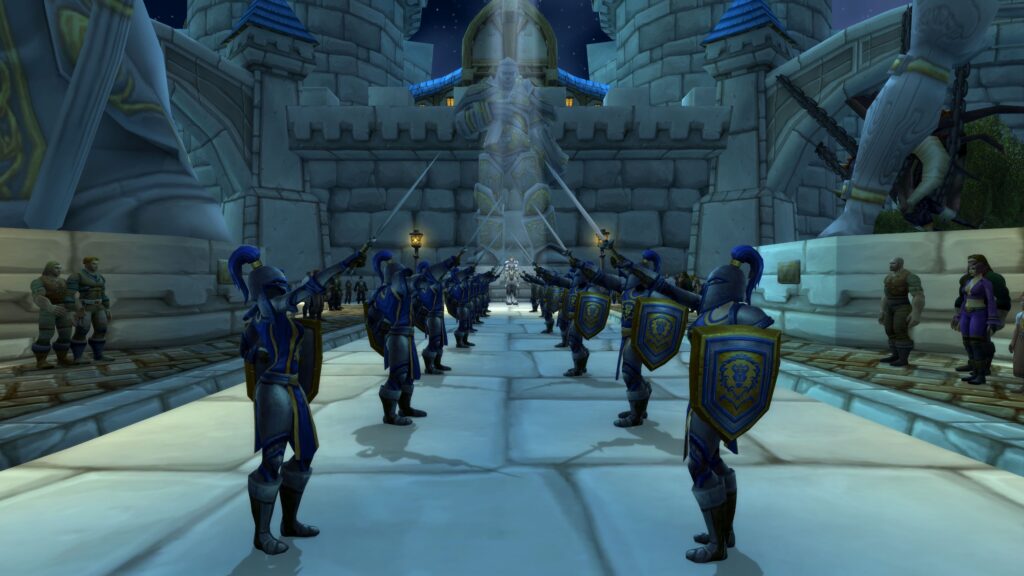
The tension between the Horde and Alliance has been the backbone of WoW’s story for years. Though both factions were once united under common goals, their divergent ideologies have led to constant warfare. The conflict between them isn’t just a backdrop; it is a central theme that has driven many of WoW’s expansions and storylines.
Notable Events:
- The Battle of the Wrathgate: A pivotal moment where the Alliance and Horde temporarily joined forces against the Scourge, showing the potential for unity despite their ongoing rivalry.
- The Siege of Orgrimmar: The climax of the *Mists of Pandaria* expansion, where the Alliance and Horde engaged in a brutal struggle for control, leading to a power shift in the leadership of the Horde.
- The Battle for Azeroth: The eponymous expansion that once again pits the factions against each other in full-scale war, but with the larger threat of the Old Gods looming over both sides.
The constant back-and-forth between the Horde and Alliance ensures that war is an ever-present force in WoW, but this conflict is only one part of the larger story.
The Threat of the Burning Legion
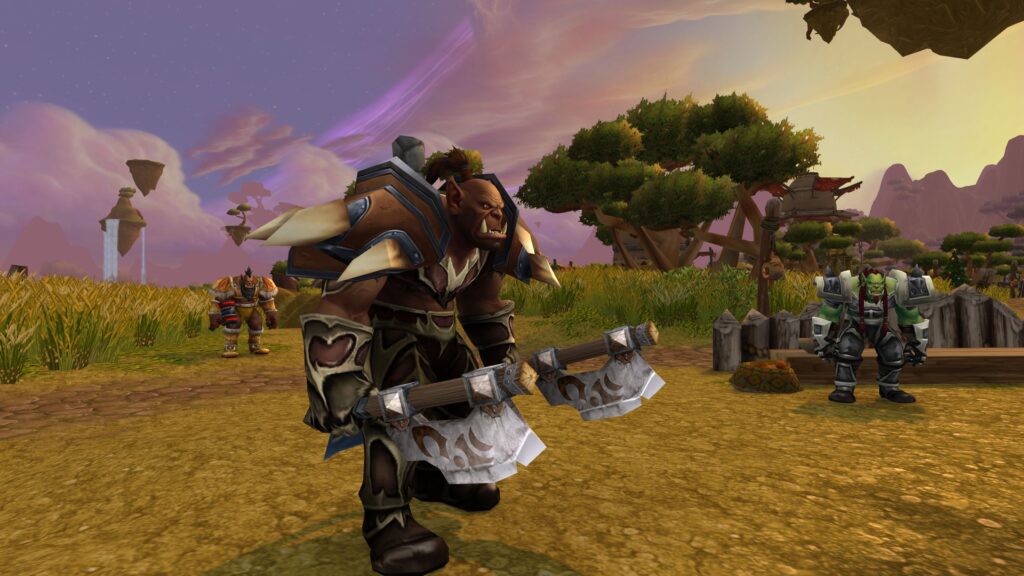
While the Horde and Alliance are often at odds, external threats have always played a significant role in WoW’s story. One of the most dangerous forces to ever threaten Azeroth is the Burning Legion, a demonic army bent on destroying the world.
Notable Events:
- The Invasion of the Burning Crusade: The *Burning Crusade* expansion saw the Horde and Alliance forced to set aside their differences to combat the threat of the Legion.
- The Fall of the Sunwell: The Legion’s influence on Azeroth reached its peak with the destruction of the Sunwell, a key moment in the conflict that led to further division between the factions.
- The Legion’s Final Invasion: In *Legion*, the Burning Legion returned in full force, and only through the unity of all races, both Horde and Alliance, was Azeroth able to stand against this ancient evil.
War against the Burning Legion forced the factions to unite, revealing the fragility of their ongoing conflict in the face of a common enemy.
The Scourge and the Lich King’s Reign
The Scourge, led by the Lich King, represents another major external force that has shaped WoW’s world. The Lich King’s war against the living is perhaps one of the darkest chapters in Azeroth’s history.

Notable Events:
- The Wrath of the Lich King: The *Wrath of the Lich King* expansion brought the full force of the Scourge into conflict with both factions, culminating in a siege against the Lich King himself.
- The Battle for the Undercity: The Lich King’s forces, including his death knights, played a significant role in the Battle for the Undercity, a defining moment in the faction’s struggles.
- Frostmourne’s Corruption: The war between the living and the dead also led to the fall of many key figures, such as Arthas Menethil, whose descent into darkness was one of the most tragic war stories in WoW’s lore.
As the Lich King waged war on Azeroth, both the Alliance and Horde were forced to confront not just the enemy at their gates, but the moral complexities of their own internal battles.
Internal Struggles: Civil Wars and Power Struggles
While external threats often draw the focus in WoW’s story, internal strife within the factions also plays a crucial role in the game’s ongoing narrative. These civil wars and power struggles often have far-reaching consequences, destabilizing the factions and changing the course of history.
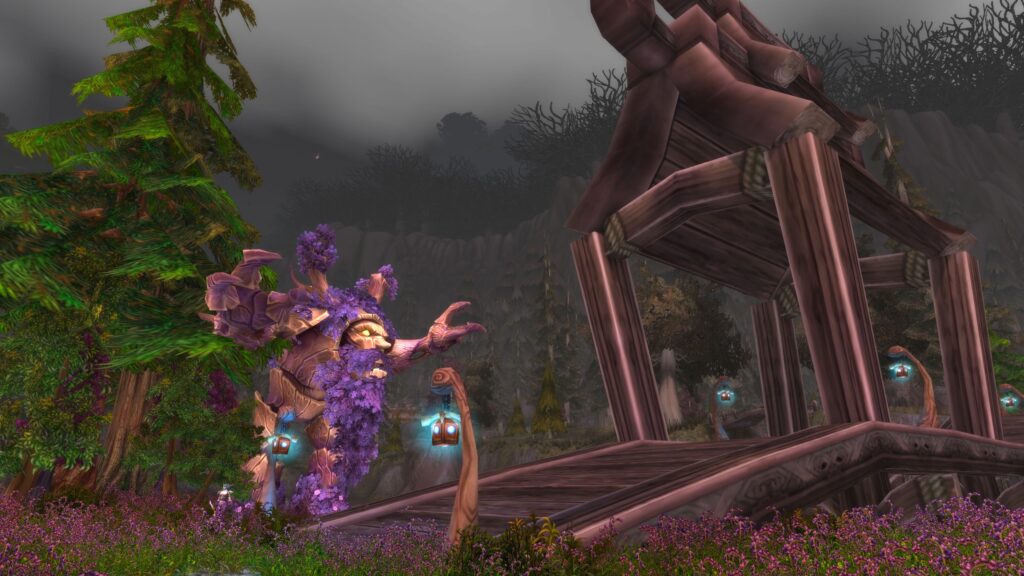
Notable Events:
- The Shattering: The *Cataclysm* expansion marked the return of Deathwing, but it also led to severe internal conflict within both the Horde and Alliance, as leaders were challenged and rival factions within each side rose to power.
- The War of Thorns: A conflict between the Night Elves and the Horde, which intensified during the *Battle for Azeroth* expansion, shaking the foundations of the Alliance.
- The Rise of Sylvanas: Sylvanas Windrunner’s ascent to power in the Horde and her actions throughout *Battle for Azeroth* sparked both internal and external wars, altering the balance of power in Azeroth.
These internal conflicts show that war is not only a matter of opposing factions, but also about the struggle for control and leadership within each group.
Conclusion: War as the Catalyst for Change
War in WoW is not just a tool for factional rivalry—it is the catalyst for change, evolution, and the forging of Azeroth’s destiny. From the ancient struggles between the Horde and Alliance to the existential threats posed by external enemies like the Burning Legion and the Scourge, war shapes every aspect of the game. Even as peace seems possible, war is an ever-present force that drives new stories and new conflicts, ensuring that Azeroth’s story is always unfolding. Through the lens of war, WoW’s narrative continues to evolve, making it a dynamic and ever-changing universe.
Home